Organizing Categories / Shopify Collections

Q: I am trying to find a way to organize the categories as they come over from turn 14 into their respective categories on my site. For example, all brake related items to the brake category.

A: We create the categories as Collections in your Shopify store; so for instance your brake-related parts, will automatically go into that category/Collection, and you don’t have to do anything.

The app also creates category tags, if that checkbox is on in Content. These tags are there for plugins to use to generate category menus or whatever you like to organize your store. You can check out Mega Menu as a plugin that could possibly be used to sort items into categories by tags, but we don’t get into the web design end of things too much. We’ve just heard that it works well for some of our other customers. 

This is the checkbox you need to have turned on for the app to generate the category-based tags:

Data Here-to-There Inc. | Organizing Categories / Shopify Collections

Share:

More Scribes

multi location inventory

Multi Location Inventory

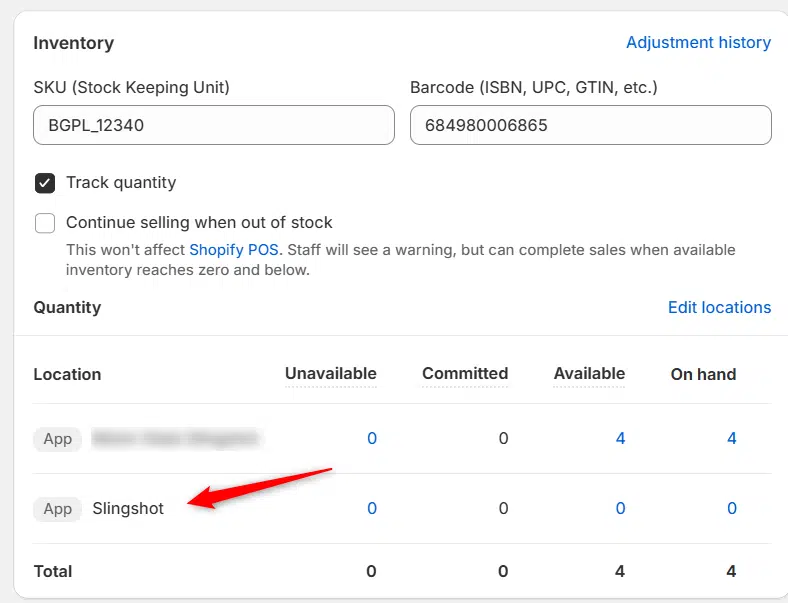
Previously we had all skus showing a single location called the “Slingshot App”, however we received a lot of requests
Create Parent collection in Shopify

Create Parent collection in Shopify

1. Click “Products” 2. Click “Collections” 3. Click “Create collection” 4. Click the “Title” field. 5. Enter the desired name

Add your Comment

Stay Connected

More Updates

Brand Specific Filters

Brand Specific Filters

If you want to set filters for specific brands, you can now do so! For example if you want to allow universal products for brands
International Filters

International Filters

Is your store located outside the USA? Good news, we have filters for you. You can exclude products that can’t be shipped or imported into
AI generated image-vehicle on a road with a tariff sign behind

How Tariffs are Shaping the Future of Automotive Parts Businesses—And What You Can Do to Stay Profitable

For small and mid-sized automotive parts businesses across North America, the pressure is mounting. Recent tariff changes introduced by the Trump administration have disrupted long-standing supply chains, driven up costs, and created new challenges in an already competitive market. At Data Here-to-There (DH2T), we’re monitoring these shifts closely—so you can understand what’s changing, why it matters, and how to steer your business through the uncertainty ahead.
Select your currency